
multimodal forwarding
Multimodal Freight Solutions —
Combining Air, Sea & Road
Not every shipment fits neatly into a single mode of transport. A route that combines air, sea, and road — or any two of the three — into one coordinated plan is built around what actually gets your cargo where it needs to be at the right cost and the right time. As your freight forwarder, we plan these combined routes as a deliberate strategy, not a fallback used only when a single mode doesn't quite work.
Why Multimodal Freight Solutions Make Sense
Balancing Cost Against Transit Time
A shipment moved entirely by air is fast but expensive; moved entirely by sea it's cost-efficient but slow. Splitting a shipment — or routing part of it by sea and completing the final leg by road or air — often lands closer to the cost-time balance your business actually needs than forcing the whole shipment into one mode.
Reaching Destinations a Single Mode Can't Serve Efficiently
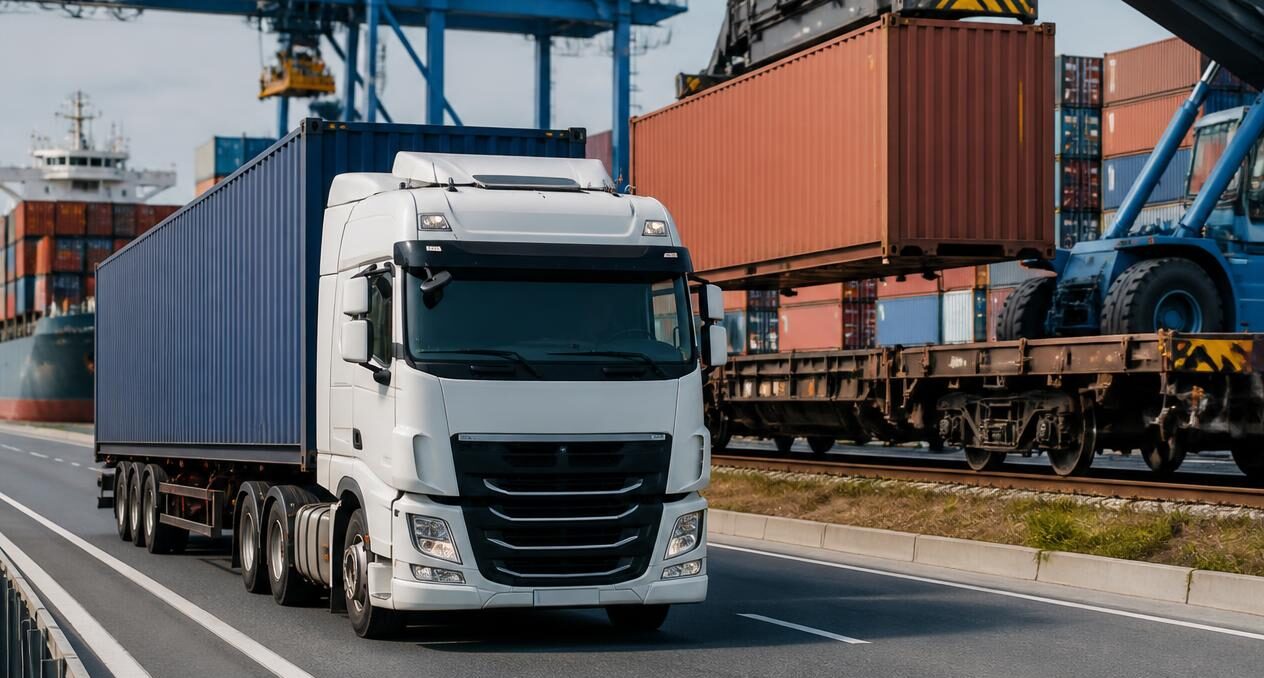
Sea freight gets cargo to a port; it doesn't get cargo to an inland destination on its own. Multimodal solutions combine the sea leg with road or rail to complete the journey, rather than leaving you to arrange that final leg separately once the container has landed.
Reducing Risk by Splitting a Shipment Across Modes
For high-value or time-critical orders, splitting cargo across two modes — a portion by air to cover the urgent need, the remainder by sea for the bulk of the volume — reduces the risk of the entire order being delayed by a single mode's disruption.
What Our Multimodal Freight Service Includes
Route planning across air, sea, and road based on your cargo type, urgency, and destination; carrier and haulier coordination across every leg of the journey; a single set of shipping documentation covering the full multimodal route rather than separate paperwork per leg; and one point of contact tracking the shipment from origin through to final delivery, regardless of how many modes are involved.
When to Consider Multimodal Cargo Solution
Multimodal routing tends to make the most sense for inland destinations beyond the reach of sea or air terminals, shipments with mixed urgency where part of the order is time-critical and part isn't, and businesses looking to reduce total freight cost without accepting the full transit time of an all-sea route. If you're not sure whether your shipment would benefit from a multimodal approach, we'll model both a single-mode and a multimodal option side by side so you can see the actual trade-off in cost and time.
Coordinating Handoffs Between Modes
The weakest point in any multimodal route is the handoff — where cargo moves from a vessel to a truck, or from a truck to a rail yard. We manage these handoffs directly, since a well-planned route can still lose days at a poorly coordinated transfer point.
Multimodal Freight Into Cross-Border African Destinations
Cross-border shipments into SADC countries often benefit from this combined approach by design — sea freight to a South African port, followed by road freight across the border to the final destination. We plan this combination as standard for inland African destinations rather than treating it as a special case.
Comparing a Combined Route Against a Single Mode
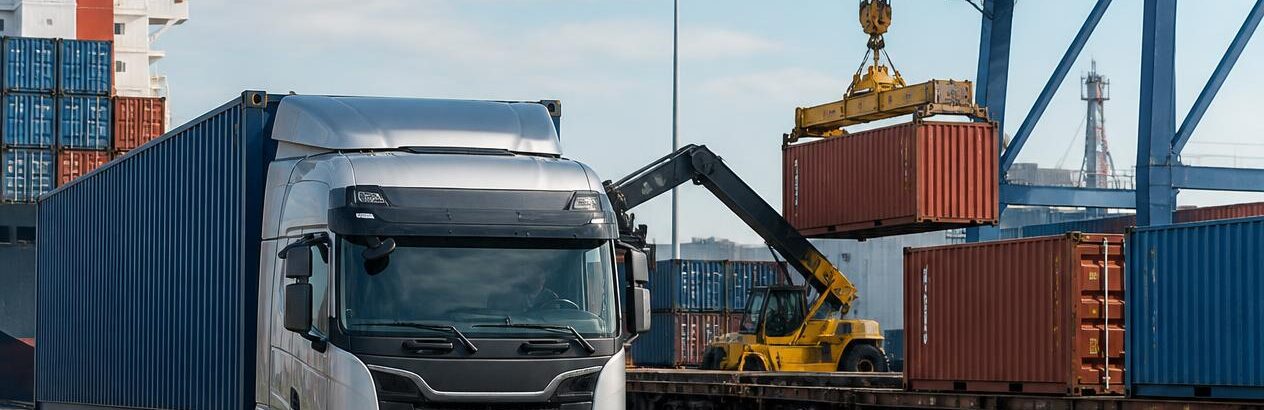
The right decision isn't always obvious from the outset, which is why we model it rather than assume it. For a given shipment, we'll lay out what a single-mode option costs and how long it takes, alongside a combined route using two or more modes, so the trade-off between cost, speed, and reliability is visible before you commit. In many cases the combined route wins on both fronts — cheaper than an all-air option and faster than an all-sea one — but it's a comparison worth running on the actual numbers rather than assuming in advance.
Getting a Combined Route Quote
Tell us your cargo details, origin, destination, and how time-sensitive the shipment is, and we'll come back with route options rather than a single default recommendation.
Not sure which combination fits your shipment?
Get a quote comparing your options side by side.