
Sea Freight Forwarding
Sea Freight Forwarding — FCL & LCL
Sea freight remains the most cost-effective way to move bulk cargo internationally.
As your sea freight forwarder, we manage container bookings through Durban, Cape Town, and Ngqura, whether you need a full container or space in a shared load.
As your sea freight forwarder, we manage container bookings through Durban, Cape Town, and Ngqura, whether you need a full container or space in a shared load.
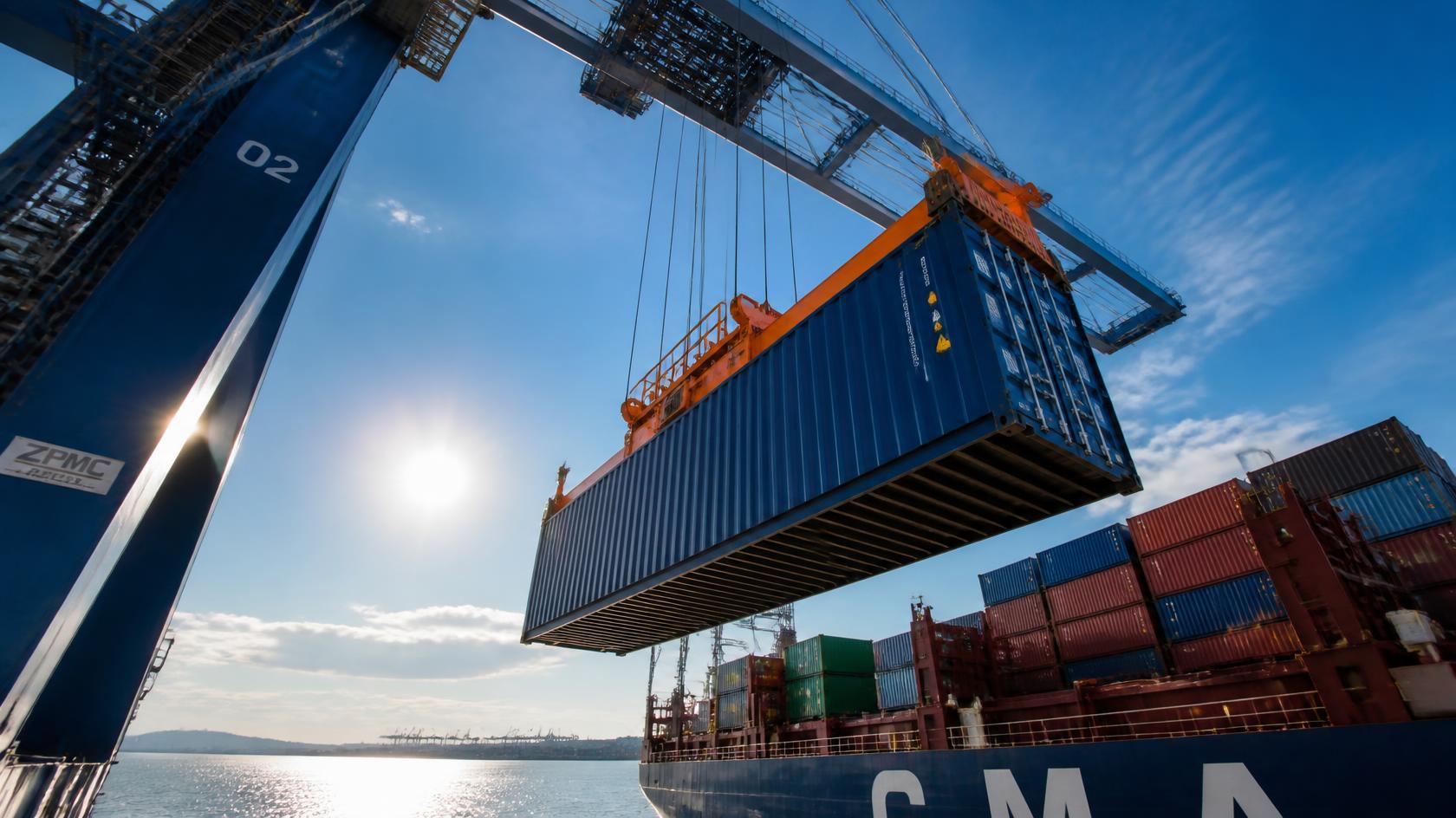
FCL vs LCL: Which Fits Your Shipment
Full Container Load (FCL)
Your cargo fills an entire container; best value once your shipment volume justifies booking a full unit rather than sharing space.
Less Than Container Load (LCL)
Your cargo shares a container with other shipments; ideal for smaller volumes where a full container isn't economical, without losing the cost advantage of sea freight entirely.
Our Sea Freight Forwarding Services
Shipping line rate negotiation and container booking; bill of lading preparation and full export/import documentation; container tracking from origin port to South African arrival; coordination with customs clearing for release and onward delivery; and container yard and depot coordination on the ground.
Managing the Cost-vs-Time Trade-Off
Sea freight transit times run from days on regional African routes to six or more weeks for Far East and Americas routes, so shipment planning needs to build in that lead time. We give realistic transit estimates upfront rather than best-case numbers that don't hold up once a vessel misses its slot.
Planning Around Peak Season
Global shipping capacity tightens around peak international trade seasons, pushing rates up and squeezing available space on popular routes. A freight forwarder who tracks these patterns can help you book ahead of a rate increase or a capacity crunch rather than discovering it when your usual booking suddenly costs significantly more or isn't available at all.
Documentation You'll Need for Sea Freight
A sea freight shipment needs a bill of lading, commercial invoice, and packing list at minimum, with additional certificates depending on cargo type and destination. Errors in this documentation are one of the most common reasons a container gets held at port rather than released on schedule, which is why we review every document against the booking before the vessel departs, not after it arrives.
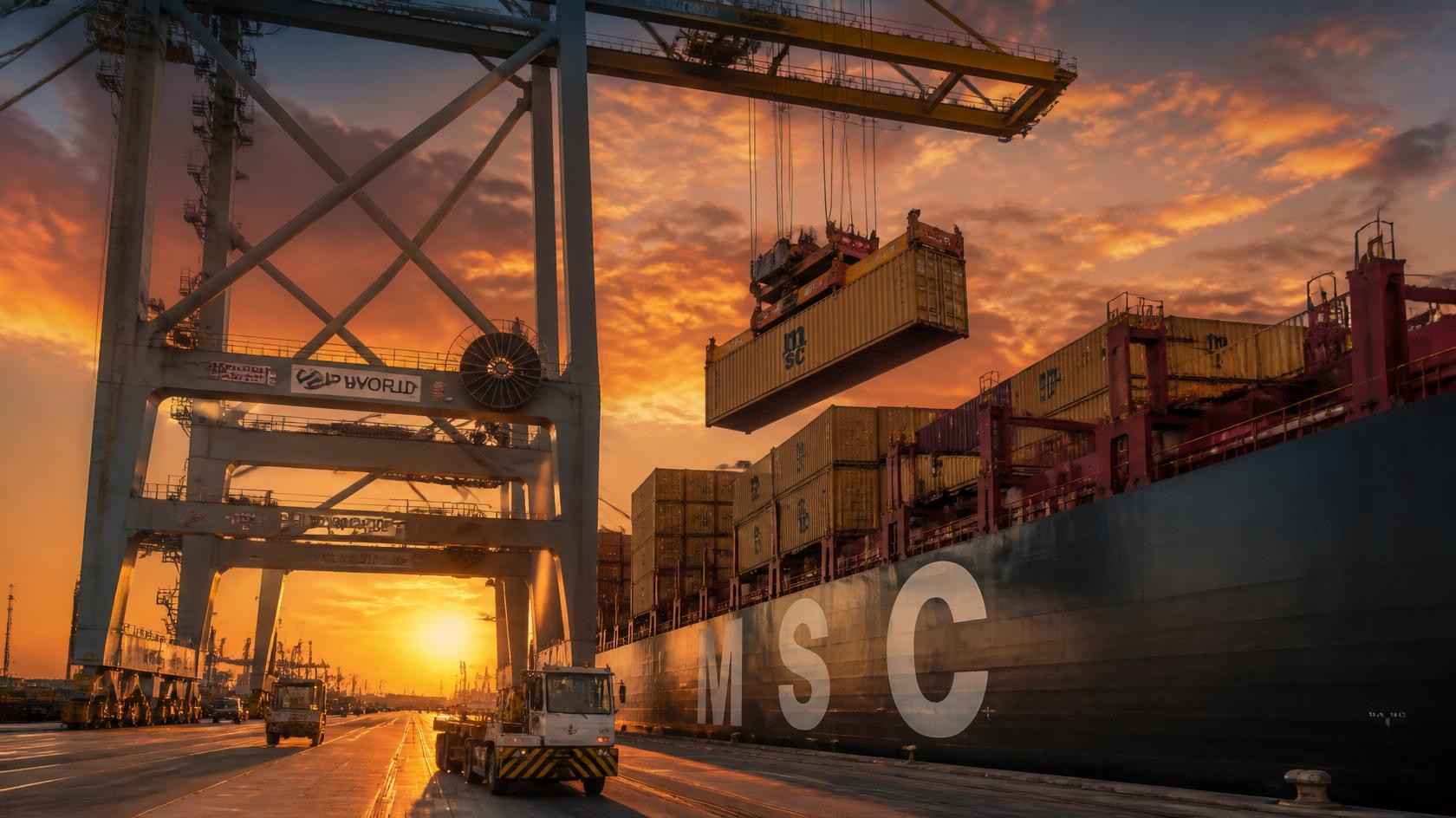
Why Using A Sea Freight Forwarding Specialist Matters
Choosing the Right Route Is Critical
Route choice affects both cost and transit time — a direct sailing typically costs more than a transhipment route but arrives faster. As your freight forwarder, we lay out the actual trade-off for your specific shipment rather than defaulting to whichever route is easiest to book.
For Businesses Shipping Sea Freight Regularly
Businesses shipping sea freight regularly benefit from standing carrier relationships and pre-negotiated rates that a one-off booking simply can't access — value that builds the longer we work together as your freight forwarder.
Container Detention & Demurrage
Shipping lines charge detention and demurrage fees when containers aren't returned or collected within the free time allowed. As your freight forwarder, we track these deadlines on your behalf and flag them early, since these charges can quietly erode the cost savings that made sea freight attractive in the first place.
Coordinating With Customs Clearance
A sea freight shipment that arrives on schedule but clears customs slowly still ends up delayed from the buyer's perspective. We coordinate with customs clearing agents throughout the sea freight forwarding process so the two don't operate as separate, disconnected timelines.
Shipping by sea?
Get an FCL or LCL quote with a realistic transit timeline.